NIR Analyzer Manufacturer and Supplier in India
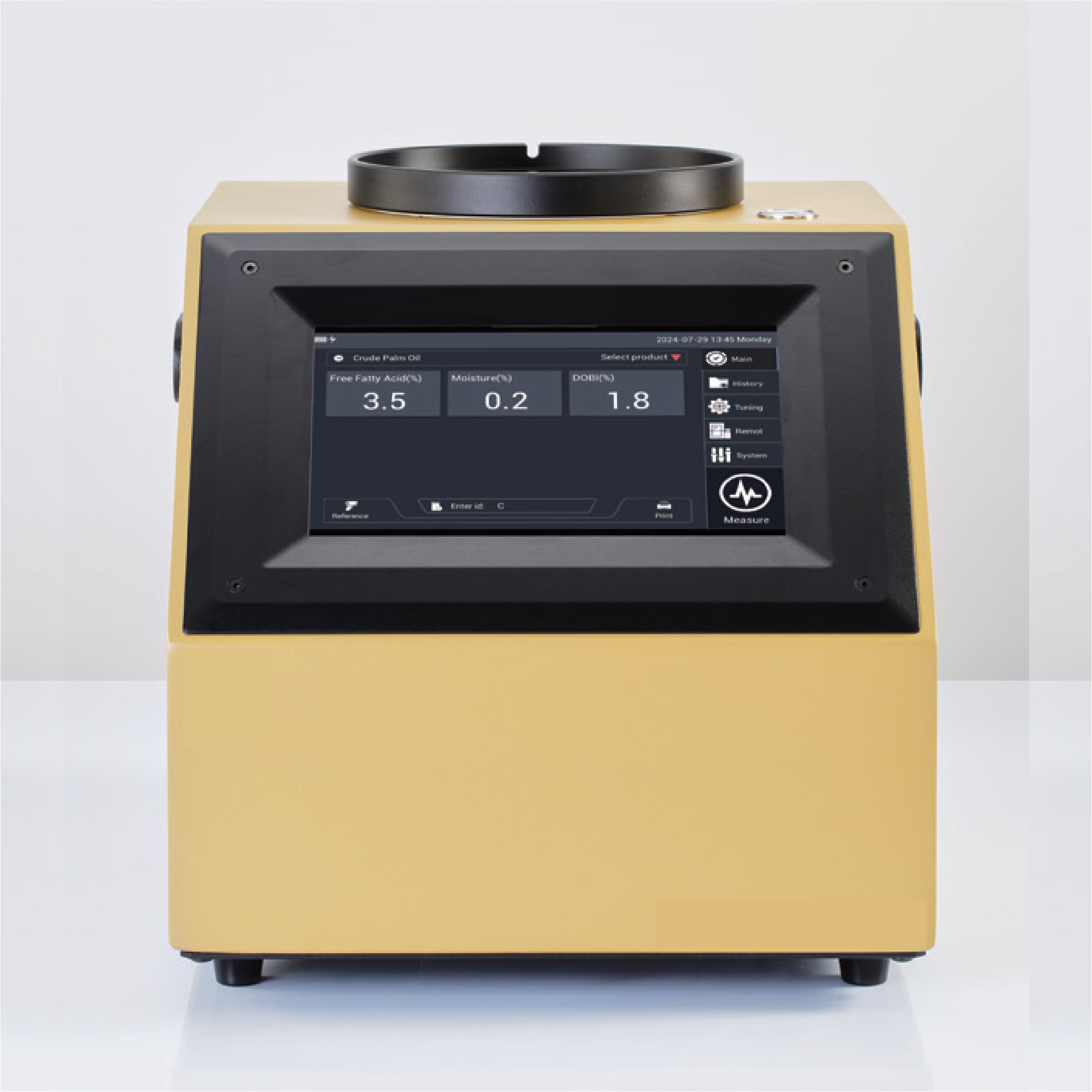
Advanced NIR Analyzer for Fast and Accurate Material Analysis
Benchmarck Scientific offers NIR Analyzer solutions for laboratories, research institutions, quality control departments, and industrial applications. A Near-Infrared (NIR) Analyzer is an advanced analytical instrument used to evaluate the composition and quality of materials quickly and efficiently.
NIR spectroscopy is widely used to analyze parameters such as moisture, protein, fat, oil, and other material characteristics, depending on the sample type, instrument configuration, and calibration model.
As a laboratory equipment supplier, Benchmarck Scientific helps customers identify suitable NIR Analyzer solutions based on their testing requirements, industry applications, and laboratory needs.
What Is an NIR Analyzer?
An NIR Analyzer is an analytical instrument that uses near-infrared light to measure the spectral response of a sample. The resulting spectral data can be processed using suitable calibration models to estimate specific chemical or physical properties.
Compared with many conventional laboratory testing methods, NIR analysis can offer rapid results with minimal sample preparation for suitable applications. It is commonly used in food processing, agriculture, pharmaceuticals, chemicals, and industrial quality control.
Key Features of NIR Analyzer
- Rapid Analysis: Obtain results quickly for supported samples and measurement parameters.
- Non-Destructive Testing: Analyze suitable samples without consuming or chemically altering them during measurement.
- Minimal Sample Preparation: Reduce preparation steps for applications that support direct analysis.
- Multi-Parameter Analysis: Measure multiple properties using appropriate calibration models.
- Quality Control Support: Help maintain consistent product quality during production and processing.
- User-Friendly Operation: Select an instrument with software and operating features suited to your laboratory workflow.
- Data Management: Support result recording, analysis, and reporting according to the instrument's software capabilities.
Applications of NIR Analyzer
1. Food and Beverage Industry
NIR analyzers can be used to assess moisture, fat, protein, and other quality parameters in suitable food products and raw materials.
2. Agriculture and Grain Analysis
Applications include the evaluation of grains, cereals, seeds, animal feed, and other agricultural materials using suitable calibration models.
3. Pharmaceutical Industry
NIR spectroscopy can support raw material identification, material characterization, and selected process analytical applications when appropriately validated.
4. Chemical Industry
NIR analysis can assist in monitoring selected material properties and supporting quality control in chemical manufacturing processes.
5. Oil and Feed Analysis
Suitable NIR systems can be configured for selected oilseeds, feed ingredients, and finished feed products to estimate relevant quality parameters.
6. Research and Educational Laboratories
NIR analyzers can support analytical research, material characterization, method development, and laboratory training.
Benefits of Using an NIR Analyzer
- Faster routine testing for supported applications.
- Reduced dependence on reagents for suitable NIR methods.
- Improved testing efficiency and laboratory productivity.
- Consistent analytical results when appropriate calibration and quality control procedures are followed.
- Potential reduction in routine testing costs and sample preparation time.
- Support for in-process monitoring and quality assurance.
Actual performance depends on the instrument, sample characteristics, calibration model, and application requirements.